Computer Recycling Houston: Trusted Computer Disposal and Recycling Experts for Residents
Benefits Electronics Recycling Can Support Businesses Reach Sustainability: Green Initiatives for Business Operations
Electronics recycling offers a paramount prospect for entities aiming to enhance their ecological endeavors. By overseeing e-waste effectively, organizations can reduce their ecological impact and retrieve prized resources. Also, embracing these practices can improve brand perception with eco-conscious consumers. Conversely, many organizations might fail to consider the complexities tied to establishing a thriving recycling scheme. Understanding these particulars is paramount for steering the direction toward greener endeavors and capturing long-term benefits.
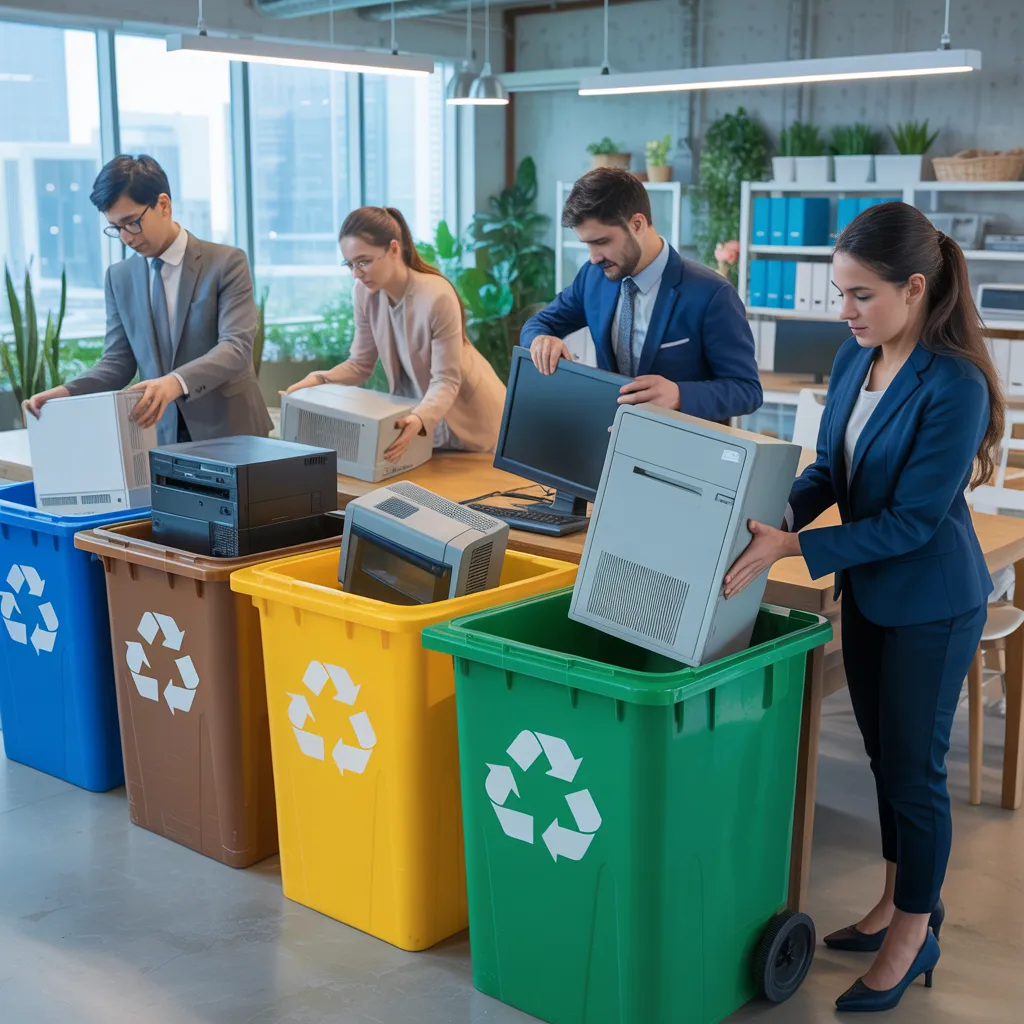
Why Electronic Devices Reclamation Is Important for Businesses
Although many organizations may disregard the importance of electronics disposal, it functions as an vital role in promoting sustainability and reducing environmental impact. As technological progress accelerates, companies consistently refresh their electronic devices, resulting in a mounting volume of e-waste. Proper recycling ensures that precious materials are recovered, reducing the need for new material extraction and conserving energy.
In addition, engaging in electronics recycling can boost a company's brand image. Consumers steadily favor businesses dedicated to sustainable practices, and demonstrating responsibility in managing e-waste can engage environmentally conscious customers. Adherence to regulations regarding electronic waste also safeguards businesses from potential legal liabilities and fines.
Moreover, recycling can deliver monetary benefits. By responsibly disposing of obsolete electronics, companies can reduce waste disposal fees and reclaim financial value from recyclable materials. Overall, adopting electronics recycling is not just an principled choice; it is a strategic business decision that endorses modern sustainability goals.
How Recycling Electronics Lowers Environmental Damage
Electronics recycling plays a crucial role in decreasing environmental consequences by preserving natural resources and decreasing e-waste pollution. By recovering precious materials, this process supports the promotion of circular economy principles. As companies participate in ethical recycling, they contribute to a more sustainable future.
Conserving Natural Resources
Recycling electronics significantly aids the preservation of environmental assets by reclaiming precious materials. Many electronic devices contain precious metals such as gold, silver, and palladium, which can be extracted and reused. This process lowers the need for mining, a resource-intensive activity that drains ecosystems and consumes considerable energy. Additionally, recycling helps recover rare earth elements crucial to manufacturing new technologies. By diverting electronic waste from landfills, businesses not only lessen the environmental impact of resource extraction but also promote a circular economy. This sustainable practice allows companies to cut their carbon footprint, lower production costs, and support environmental stewardship, ultimately fostering a healthier planet for future generations. Through responsible recycling, businesses can lead the way in protecting crucial natural resources.
Reducing E-Waste Contamination
A considerable fraction of international waste involves electronic devices, causing escalating environmental pollution. E-waste that is disposed of improperly lets loose harmful substances including heavy metals and toxins, damaging soil and water sources. Recycling electronics mitigates these risks through the safe and responsible processing of harmful components. Recycling repurposes materials such as metals, plastics, and glass, which lowers the need to extract new resources, thereby minimizing environmental damage. Moreover, recycling initiatives promote the proper disposal of old devices, aiding businesses in following environmental laws. Companies that participate in electronics recycling reduce their carbon footprint and support a healthier environment. Taking this proactive step demonstrates corporate responsibility and effectively confronts the critical challenge of e-waste pollution.
Supporting Circular Economy Techniques
Establishing robust electronics waste recycling programs constitutes a fundamental aspect in cultivating sustainable economic practices. When organizations process discarded electronics, they can notably reduce the demand for virgin materials, thereby conserving environmental assets and stemming ecological degradation. This undertaking facilitates the recovery of valuable components, extending the lifecycle of products and reducing the scale of e-waste transported to disposal facilities. Furthermore, through embracing sustainable economic principles, enterprises can enhance their brand image and respond with consumer demand for responsible practices. Supporting conscientious recycling efforts also fosters technological advancement in manufacturing design, compelling manufacturers to create products that lend themselves better to disassembly and reprocessing. In essence, embedding electronics recycling within business operations furthers a more sustainable world, aiding both the ecosystem and the financial sector.
Top Advantages of Electronics Reuse for Companies
Electronics reprocessing provides substantial benefits for businesses, primarily through cost savings and ecological footprint decrease. By properly recycling outdated equipment, organizations can minimize disposal costs and recover valuable materials. Furthermore, adopting recycling practices improves corporate responsibility and encourages sustainability efforts.
Monetary Economy Prospects
Numerous businesses are discovering significant cost reductions through efficient e-waste recycling approaches. By implementing these initiatives, companies can reduce disposal fees associated with e-waste, since recycling often costs less than landfill disposal. Additionally, valuable materials sourced from vintage electronics can be sold, generating revenue and offsetting replacement costs. Efficient recycling systems also minimize storage costs for aging equipment, liberating valuable office space. Moreover, many businesses gain from tax incentives tied to green initiatives practices, offering another layer of financial advantage. To summarize, implementing electronics recycling not only supports corporate responsibility but also promotes economic efficiency, allowing businesses to use resources more effectively and improve their bottom line.
Reducing Environmental Impact
A substantial reduction in ecological impact is one of the fundamental advantages companies benefit from when they establish organized electronics recovery initiatives. visit this page By salvaging functional devices, institutions can suppress dangerous contaminants, such as toxic elements and harmful substances, that can seep into terrestrial and aquatic ecosystems. This not only supports the preservation of environmental resources but also minimizes the carbon intensity resulting from making fresh equipment. Additionally, managing decreases energy demands, as it often requires lower power consumption to refine recovered substances than to mine and process primary resource stocks. As organizations roll out these systems, they foster sustainable economic systems, promoting ecological conservation and responsibility. Ultimately, accountable material recycling facilitates organizations to enhance environmental standing while supporting our ecosystem.
How to Develop a Successful Electronics Waste Management Plan
Putting together a accomplished electronics recycling strategy involves careful planning and execution. Firms should proceed by evaluating their current e-waste control practices to locate portions for progress. This inspection should include an inventory of deprecated devices and an appraisal of discharge methods.
Initially, institutions need to define clear objectives regarding their environmental programs, which might include cutting waste amounts, improving recycling success rates, or strengthening sustainability measures. Mobilizing staff through training workshops establishes an atmosphere of ecological responsibility and facilitates participation in green initiatives.
Additionally, developing a schedule and budget is vital for tracking progress and ensuring resources are allocated effectively. Regularly reviewing and revising the plan based on suggestions and changing regulations helps sustain adherence and effectiveness. By incorporating these elements, companies can create a strong electronics recycling program that not only benefits the environment but also promotes corporate accountability and strengthens their green image.
How to Select the Right Electronic Device Recycling Provider
In what way can a company confirm that its electronics recycling partner adheres to its sustainability goals? Selecting the right recycling partner requires careful evaluation of their practices and certifications. Organizations should seek partners who hold recognized certifications, like R2 or e-Stewards, which confirm adherence to sustainability standards.
Additionally, organizations should question about the partner's waste recycling methods, involving the ways to manage hazardous waste and the amount of materials recycled relative to those directed to landfills. Transparency in reporting and data management practices is also critical.
Moreover, a solid reputation in the industry can be indicative of reliability; businesses may benefit from customer feedback and recommendations from other clients. Participating in open communication about sustainability goals will help guarantee coordination. Ultimately, choosing a partner committed to ethical recycling practices can significantly improve a corporation's overall environmental programs.
Refuting Standard Fallacies About Electronics Reuse
While many companies recognize the value of electronics recycling, numerous myths remain that can limit proper practices. One typical misconception is that all electronics can be thrown away in ordinary recycling bins. In fact, dedicated facilities are required to process electronic waste safely. Another myth states that recycling electronics is too expensive for businesses. However, numerous recycling programs supply free or low-cost services that can ultimately save companies money by lowering waste disposal fees. Moreover, some think that data security concerns make recycling too hazardous. Still, reputable recycling partners provide certified data destruction services, ensuring sensitive information is safely handled. Finally, there is a idea that recycling electronics has a small environmental impact. In truth, proper recycling significantly reduces e-waste in landfills and conserves valuable resources. Debunking these myths is important for businesses aiming to embrace sustainable practices and support the environment.
Assessing Your Electronics Recycling Success
Companies that effectively dispel misconceptions about electronics recycling often find themselves eager to measure their progress. Tracking KPIs is essential for assessing the efficacy of recycling initiatives. Measurements such as the quantity of e-waste recycled, the proportion of materials recovered, and financial benefits can provide valuable information.
Additionally, companies should assess their emissions decrease and conformity with eco-friendly regulations. Engaging workers through awareness initiatives can also be measured by engagement rates in recycling programs.
Integrating customer suggestions can more effectively improve comprehension of the recycling program's results. Periodic audits and reporting on these performance indicators not only demonstrate successes but also uncover areas for improvement.
Ultimately, an organized approach to evaluating electronics recycling success facilitates businesses to make analytics-based decisions, fostering a culture of sustainability that aids both the environment and the organization.
Frequently Asked Questions
Which Kinds of Electronics Can Be Recycled?
Various forms of electronic goods are able to be recycled, including computers, smartphones, tablets, televisions, printers, and gaming consoles. These items typically hold useful resources that can be utilized again, reducing waste and promoting environmental eco-friendliness.
How Regularly Should Businesses Refurbish Their Electronics?
Companies should recycle their tech equipment at least once yearly, or more regularly in accordance with system updates and hardware replacement. Routine recycling efforts guarantees efficient resource management and compliance with environmental regulations, promoting environmental stewardship within the organization.
What Expenses Come With Electronics Disposal?
Yes, there are expenses connected to electronics recycling, including gathering, transportation, and processing fees. However, these costs can be counterbalanced by prospective savings from reduced waste disposal and compliance with environmental requirements.
Could Processing Electronics Cause Data Safety Risks?
Yes, electronic device recycling can introduce data security risks if proper procedures are not followed through. Proprietary data may be unintentionally exposed during the e-waste handling, revealing the essentiality of information security measures methodologies before final disposition.
What Requirements Must a Recycling Partner Maintain?
A professional environmental service provider should hold qualifications such as R2, e-Stewards, and ISO 14001. These certifications validate adherence with ecological requirements, information protection standards, and responsible recycling practices, preserving both the environment and private data.